Making Your Holiday Gathering Accessible
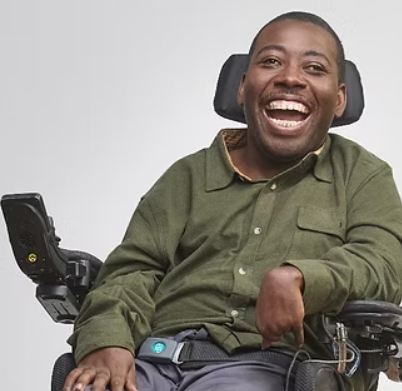
With the holidays coming up, it’s important to make sure everyone feels like they belong, including people with physical or intellectual/developmental disabilities. At the National Center for START Services®, we know that belonging is an important part of mental health for everyone.
The holidays are often a time for connection, celebration, and being together with the people we care about. But what if you had to watch the people you love celebrate while you sat outside on your own? What if you were invited, but the space, activities, or expectations made it impossible for you to take part?
Making holiday gatherings accessible for everyone was the topic of our most recent Well-Being Webinar on November 4. Motivational speaker Emmanuel Jenkins led participants to think more deeply about what it really means to belong. He shared his original song “Can I Get In?” which he wrote to express his frustrations with attending gatherings that were not accessible. He encouraged participants to consider the many different ways people experience and participate in the world around them.
Emmanuel’s song presented a simple but powerful question: When someone asks, “Can I get in?,” can you say you’ve created a space where they can truly belong?
Emmanuel’s song is available on YouTube and Spotify. Emmanuel is a motivational speaker, trainer, and founder of We Stand 4 Something. Learn more about Emmanuel.
Here are 5 “do’s and don’ts” that Emmanuel shared for planning an accessible gathering this holiday season.
- Do allow yourself time to plan. Making your gathering accessible starts from the moment you have the idea to host the event. Consider accessible parking, entry, and restrooms before booking a location and sending invitations. Planning for accessibility in advance is actually less work than trying to figure out solutions at the last minute.
- Don’t assume that accessibility just means a ramp at the entryway; it means can everyone fully participate in the event? Can everyone enjoy the venue, refreshments, and interactions in a way that is comfortable for them? Is there space to address sensory needs or take a break? Accessibility isn’t a favor. Everyone wants to be included, and every guest wants to feel equally welcome.
- Don’t wait for guests with disabilities to ask “can I get in?” after receiving an invitation. If you’re not sure what they need, it’s ok to ask ahead of time! Accessibility shouldn’t be an afterthought.
- Don’t offer a secondary or alternative event in place of the main event. For example, if you’re hosting a big meal but someone can’t get in, offering to bring them a plate afterward is nice but not the same thing. While these offers are well-intentioned, your guests with disabilities want to be part of the main event just like everyone else.
- Do give yourself grace. You don’t have to know everything about accessibility. You don’t have to be perfect, just be intentional. Don’t be afraid to ask questions, and listen to people’s lived experiences.

