Ten Things Families Want You to Understand About Disability
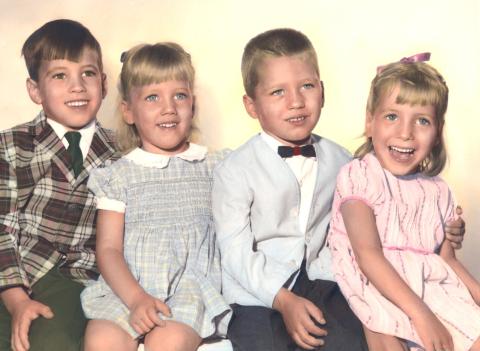
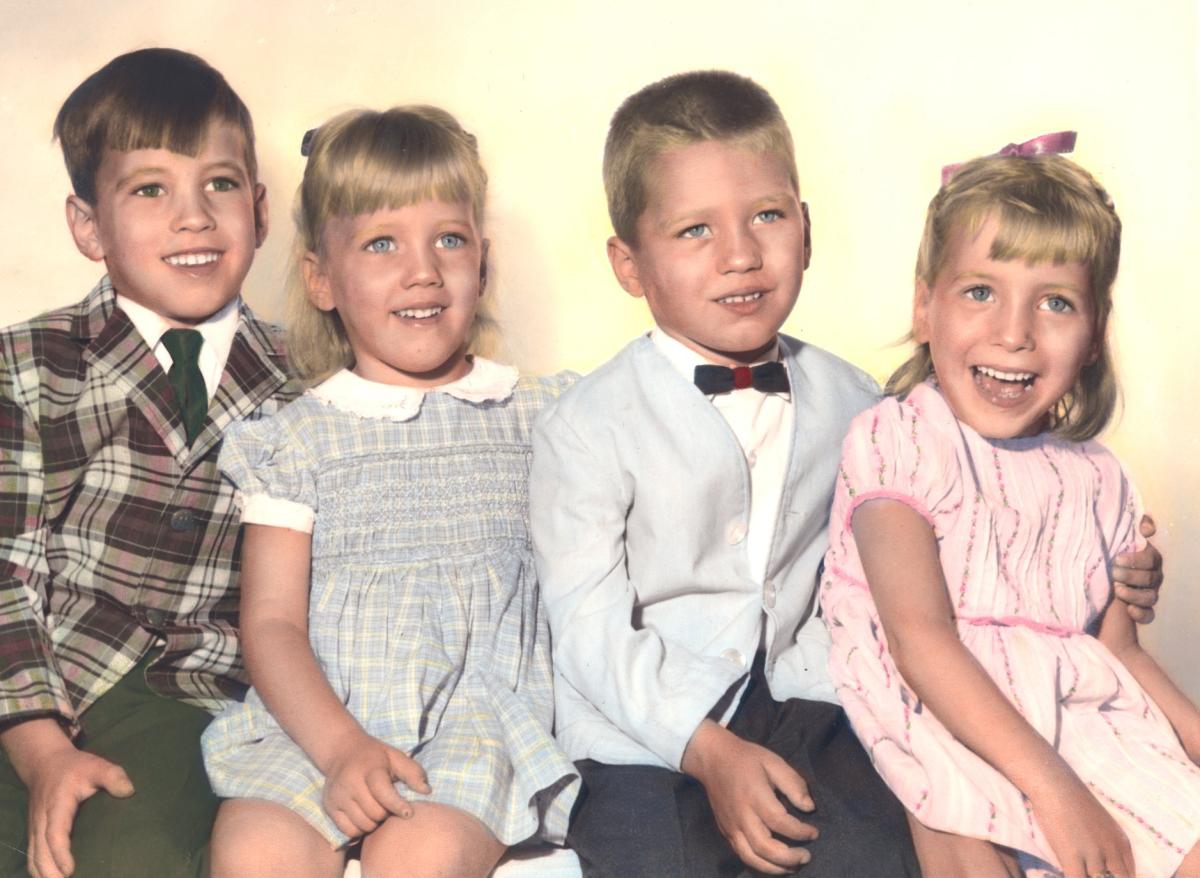
Kathy Bates and siblings as young children.
My family gets together just about every Sunday to have dinner and to watch whatever New England team is playing. My parents met in the eighth grade and have been married for sixty-six years. My mother had all four of us kids in only three and a half years. I am very close to everyone in my family, but don’t get me wrong, we aren’t the Waltons. Like any family, we tease each other, argue over politics, and laugh a lot.
In advocacy, when we talk about lived experience and disability, we are often referring to the individual who has a disability. But disability can look and feel different, depending on the perspective. That is why the collective wisdom of family members is also important. Our family members may not share our diagnosis, but many of them have experienced it alongside us. I thought it would be nice to share some of the things families want you to understand about disability.
I thought it would be fun to start with my family, and I was interested to hear what they had to say.
My Mom said, “Where there’s a will, there’s a way.” She lived by this saying, and growing up, I heard this constantly. Mom never asked for permission when it came to my inclusion in after-school activities like the Brownies and class trips. They always found a way to make it work. I am most thankful for the gift of independence that my parents gave me. In high school, I went on a bus trip to Canada with my French Club. My parents hired a personal care attendant for the weekend. I will never forget that trip, it was so much fun!
I was pleasantly surprised by what my brother, David, had to say. “Disability makes a family stronger and more resilient.” My family has always been able to come together in times of adversity. We all understand that disability doesn’t discriminate and touches everyone’s life in some way. I know we will continue to support each other.
My sister, Tammy, said, “It is important to foster typical sibling relationships." A disability shouldn’t get in the way of age-appropriate activities with family and friends. When we were teenagers, my sister and I talked about boys, fought over clothing, and shared the latest gossip. We often think alike and sometimes even buy the same gifts. We are all very busy, but once in a while we do have a girls’ night out. These days, my sister and I share recipes, gossip, and talk about the men on Netflix. I guess some things never change.
My brother Jeff said, “Having a sister who uses a wheelchair can have its advantages.” For example, when you go to a Celtics game together, you don’t have to wait in line forever--and you get priority seating.
Here's some more powerful wisdom that comes from the lived experience of family members in our community:
Madeline Boughter has an adult son with a brain injury. She said, “People with disabilities have the same needs and desires as everyone else.” Everyone needs a job or a valued role in their community. We all need the opportunity to live as independently as possible in a space of our own. We also need positive relationships and intimacy in our lives."
Robert, a father of a seven-year-old daughter with Autism, says,
“The sky’s the limit. Don’t let assumptions about disability limit your children; encourage them to believe in possibilities. As a parent, you should not discourage your child. Do not let disability be a barrier to things that they want to try. Don't let fear guide you; give them new experiences. If you believe in your children, they will believe in themselves."
Tegan, a mother of two young daughters with disabilities, says, “Never judge a book by its cover.” Disabilities are not always visible or apparent; it is also true that when a person has a disability, their talents and skills are not always recognized". Taking time to get to know each other is important. This is especially true for teachers and their students.
Lisa's son has a developmental disability, she says, “If you see me disciplining my child, please give me the benefit of the doubt. I can tell the difference between misbehavior and when my son doesn’t understand. Sometimes, he needs to be treated like a capable misbehaving child." Parents know their children best.
Louis has two children. He comments, " Good parenting may not always look like good parenting. We want our children to be comfortable with themselves. Every day is different. Katie gets a little too silly sometimes. Our son Louie has autism, and sometimes, he is afraid to show his true self. At home, he is relaxed and just being himself, but in public, it can be a different story. Louie gets anxious. My wife and I are working on worrying less about what others think. He should not have to change just to fit in."
Katie, a younger sister, says, “I don't understand why everyone talks to my Big Brother like he is 3 years old. I'm twelve and Tyler is fifteen, but I always get treated like I'm the older one. He's my Big Brother. Just because Tyler has a disability doesn’t mean he should be talked to like he is a baby. Obviously, he's not a baby. I hate it."
Some people still talk to me like a three-year-old, and I'm a lot older than Tyler. Treating everyone respectfully and presuming competence is the right thing to do.
From Where I Sit…
I have read many variations of this quote, “Parents should give their children two important things: Roots to grow and wings to fly,” by Johann Wolfgang von Goethe. This is exactly what my family has done for me. I never missed a single opportunity for new experiences. One of the most important things that my parents taught me is to advocate for myself. Families have always played a crucial role in advancing the rights of people with disabilities. And for that, I am truly grateful.
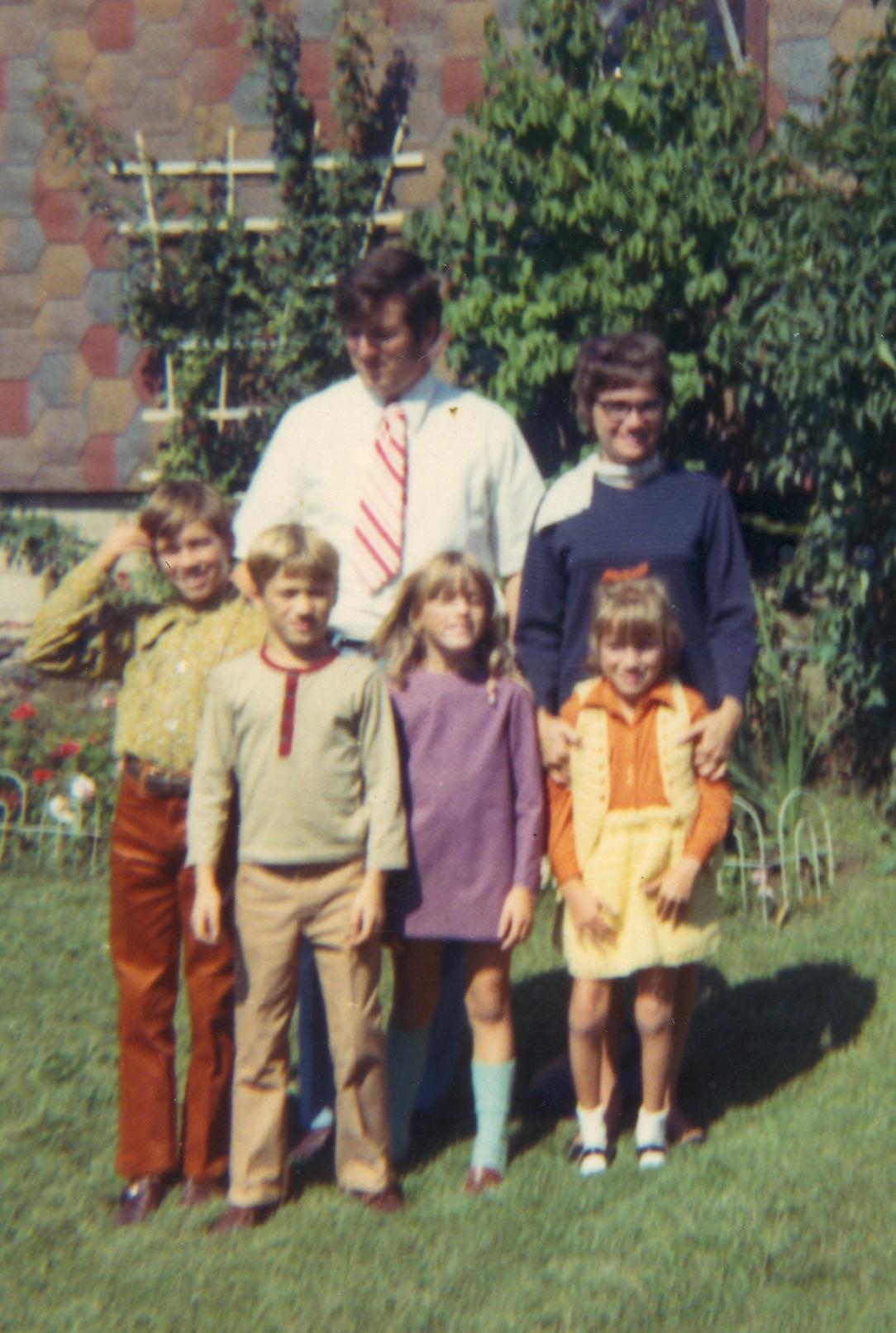
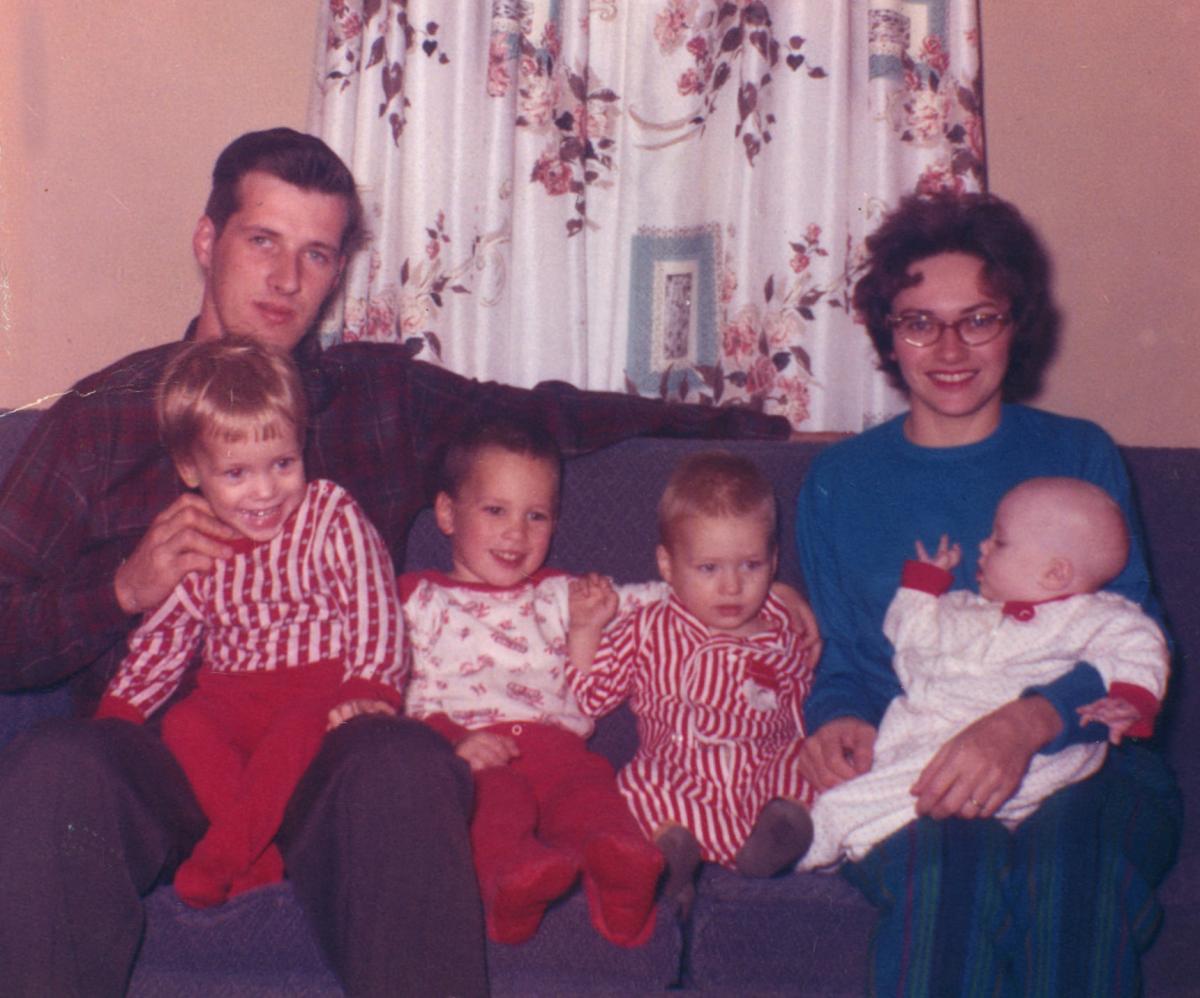
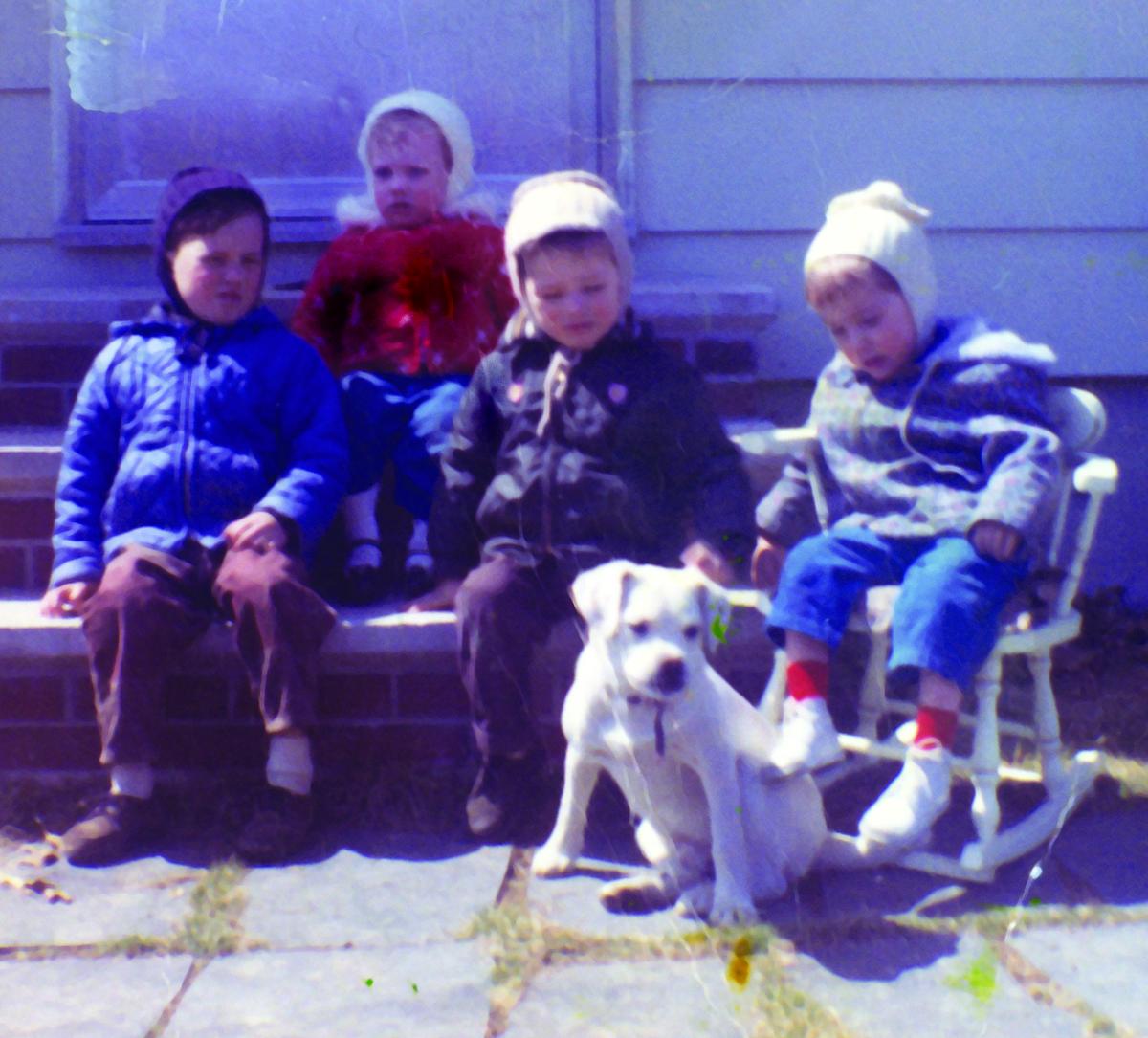
Kathy Bates shares some photos from her family photo album

Check out past "Ten Things" articles
This is the fourth blog in my “Ten Things” series. Want to read more? Catch up on the latest entries:
Author(s)


