Presenters: Calliope Holingue, MPH, PhD and William E. Bennett, Jr., M.D., M.S
All NOTS live Q&A events are held via Zoom from 1:00-2:00 ET / 12:00-1:00 CT / 11:00-12:00 MT / 10:00-11:00 PT.
Description:
This presentation examines the impact of gastrointestinal conditions on people with intellectual and developmental disabilities (IDD) and their families. Drawing on qualitative research, clinical evidence, and lived experience, the presenters will discuss common GI concerns, their intersection with mental health, and barriers to timely diagnosis and effective care. The session will highlight emerging approaches to assessment and research, identify critical evidence gaps, and provide practical resources for families, clinicians, and advocates.
Objectives:
By the end of this session, participants will be able to:
- Describe how gastrointestinal conditions affect the physical health, mental health, functioning, and quality of life of people with IDD and their families
- Identify at least three barriers to effective GI care for people with IDD, including diagnostic overshadowing, limited provider training, and systemic access barriers
- Evaluate emerging approaches to GI assessment, treatment, and research an IDD and identify priorities for more inclusive, evidence-based care
Calliope Holingue
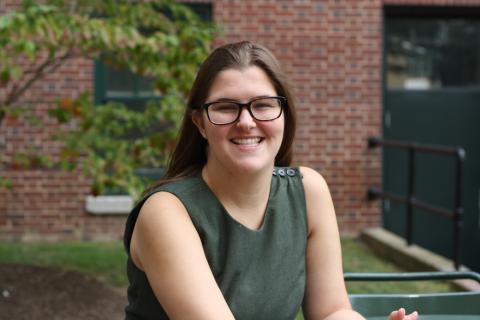
Dr. Calliope Holingue is an assistant professor at Kennedy Krieger Institute and Johns Hopkins University and is trained as a psychiatric epidemiologist. Dr. Holingue’s research focuses on promoting the health of individuals with neurodevelopmental and psychiatric disorders, especially autism, by studying the intersection of physical and mental health. She has a interest in gastrointestinal health and the gut-brain axis.
William E. Bennett
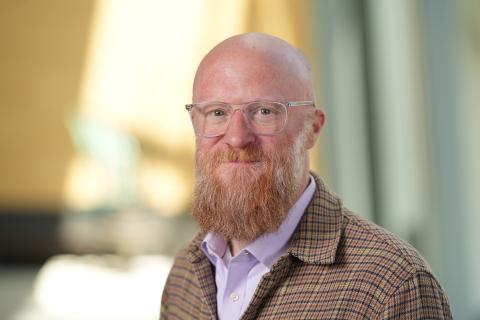
Dr. William Bennett is a pediatric gastroenterologist, clinical informaticist, and health services researcher at Indiana University School of Medicine. He leads teams focused on deploying clinical informatics tools to improve healthcare delivery and research in children with neurodevelopmental diagnoses, improving the participation of people with IDD in research, and using human centered design to better engage patients and their families in clinical studies.
This event is part of the National Online Training Series and is available by subscription from the National Center for START Services®. Each month, the NOTS includes a pre-recorded presentation and a live Q&A session with presenters, available to subscribers only. You must be subscribed to our list to receive the recording and access the live Q&A.
How to subscribe: Current START programs are automatically subscribed. Many individuals can access the NOTS for free by partnering with their local START program. If you or your agency are interested in subscribing, please fill out this training interest survey. A member of our training department will connect with you for next steps.
Accommodation Requests: It is our goal to make the NOTS live Q&A accessible for all. CART services will be provided for every live Q&A and does not require an accommodation request. Should you have additional accommodation requests, please complete this form and we will make every reasonable effort to meet that request. Someone from NCSS will contact you about the status of your request.
Disclaimer: Speakers and presenters participating in sessions are encouraged to express their findings, experiences, and conclusions on specific topics. They are selected for their areas of expertise and personal and professional knowledge. Therefore, points of view or opinions of our speakers and presenters do not officially represent the National Center for START Services®, the Institute on Disability, or the University of New Hampshire.

